Invasive plant species harm recreation, tourism
How invasive plants impact recreation and tourism
Renee Sandelowsky and Helen Varekamp are Bayfield residents and local volunteers. They are writing a monthly series of articles about the benefits of planting native species of plants and the need to remove invasive species. This month (October 2026) they are writing about the negative impacts, of invasive species of plants, on recreation and tourism.
By Renee Sandelowsky and Helen Varekamp
Invasive species of plants are a growing threat to Canada and the world. While many non-native species of plants are relatively harmless, those that become invasive have outsized impacts. They threaten our health, the environment, and the economy. Addressing them is not alarmism. It is an evidence-based response to a well-documented global problem.
Invasive plants negatively impact tourism, hunting, fishing, and recreation in Ontario. They do this by degrading natural areas, restricting physical access to waterways and trails, diminishing native fish and wildlife populations, and reducing the overall aesthetic appeal of outdoor spaces. The total potential economic impact on these sectors in Ontario is estimated to be as high as $3.6 billion per year.
Here are some of the ways invasive species of plants negatively affect recreation and tourism:
- Reduced Access: Dense thickets formed by species like the invasive Phragmites (European Common Reed, ‘Canada’s worst invasive plant’) can block access to beaches, waterfronts, and popular swimming areas, as well as hiking and biking trails.
- Aesthetic Degradation: The displacement of native species of plants reduces the biodiversity and natural beauty of an area, which can deter tourists and recreational users, including birdwatchers and hikers.
- Reduction of Wildlife: Birdwatchers lose opportunities when native plant species, that support insects and birds, are displaced. For example, Acadian Flycatchers will not breed in Rosa Multiflora thickets and are now endangered in Ontario.
- Human Health Hazards: Certain invasive species of plants, such as Giant Hogweed and Wild Parsnip, pose a direct health risk, as their sap can cause severe skin burns and blisters, making recreational areas unsafe.
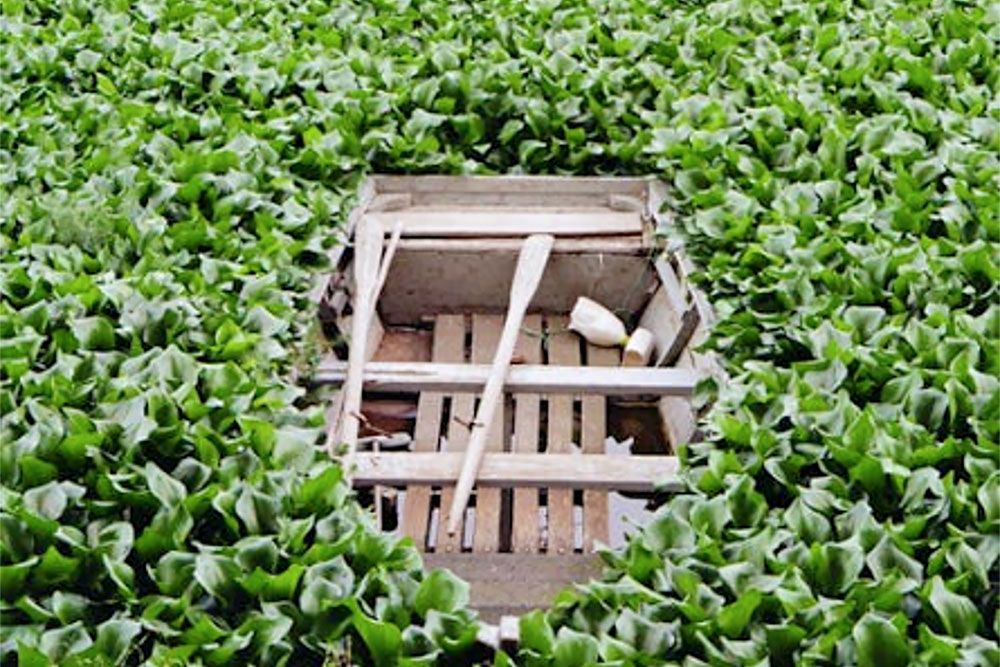
- Navigation Problems: Dense mats of aquatic invasive plants can clog waterways, making boating difficult or impossible.
- Habitat Degradation: Invasive aquatic plants can alter fish habitat by changing water chemistry, reducing dissolved oxygen levels, and changing light conditions, which can harm native fish populations, resulting in reduced catch rates for anglers.
Preventing the Spread of Invasive Species of Plants
We all have a role to play in preventing the spread of invasive plants. Consumers can make informed decisions at nurseries and stop buying invasive plants.
Homeowners can remove invasive plants from their gardens and dispose of them responsibly.
Citizen scientists can upload photos of invasive plants on sites like iNaturalist to help experts track the spread and protect natural areas.
Hikers, hunters and anglers can thoroughly clean equipment and clothing when leaving natural areas, in an effort to prevent further spread and avoid new infestations.
The number of potentially invasive plants may seem overwhelming, but we can start by learning more about their impacts and avoiding them or removing them from our gardens.
– Renee Sandelowsky and Helen Varekamp are Bayfield residents and local volunteers. They are writing a monthly series of articles, about the need to remove and switch away from invasive plants in favour of native species of plants, for the Canadian Coalition for Invasive Plant Regulation.